Be a Cactus in a World of Delicate
Setting up for a weekend craft fair is equal parts excitement and anxiety. You spend weeks perfecting your booth display, ironing your apron, and organizing your pricing, but the real test begins when customers walk by. As an experienced embroidery designer who has turned countless digital files into physical handmade product inventory, I know that the difference between a glance and a purchase often comes down to one thing: immediate visual impact.
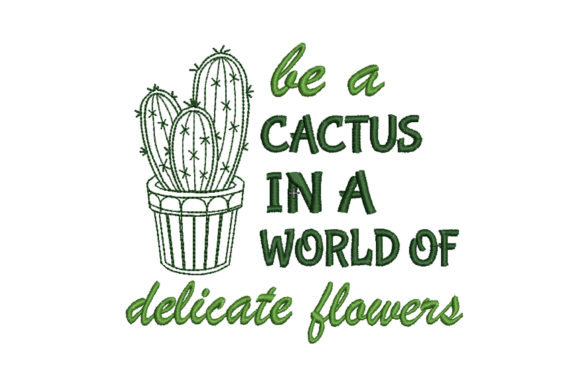
I recently evaluated a design titled Be a Cactus in a World of Delicate. At first glance, the title suggests a playful contrast—resilience versus fragility. But does it translate well to the needle? Below is my professional review of this design’s potential as a craft fair product, focusing on what sells, what looks premium in person, and how to produce it efficiently.
First Impressions and Visual Appeal
The phrase "Be a Cactus in a World of Delicate" carries a modern, slightly sarcastic, yet empowering tone. In the context of Outdoor Quotes and general home decor, it fits perfectly into the current trend of botanical humor mixed with farmhouse chic. When I imagine this design on a table, I don’t see it as merely decorative; I see it as a conversation starter.
For an Etsy seller or boutique maker, the appeal lies in its relatability. Customers at craft fairs are looking for items that reflect their personality. This design offers that. It feels bold enough to stand out against a busy market backdrop but soft enough to appeal to those who prefer subtle wit over loud graphics. The juxtaposition of the sturdy cactus imagery (implied by the text) with the word "Delicate" creates a visual tension that draws the eye. It is not just a quote; it is a statement piece that elevates the perceived value of the finished product.
Product Applications and Best Uses
Not all designs work on all fabrics. Based on the nature of this quote, here is where Be a Cactus in a World of Delicate will shine:
- Tote Bag Design: This is perhaps the strongest candidate. A canvas tote bag provides a large, flat surface that allows the text to breathe. When placed centrally or slightly off-center, it becomes a daily reminder for the user. It photographs beautifully for online listings, serving as a high-converting printable mockup.
- Apron Embroidery: For the kitchen-focused buyer, stitching this on a linen or cotton apron adds a touch of humor to meal prep. The durability of the apron fabric ensures the design remains crisp after washes, reinforcing the "cactus-like" resilience of the message.
- Tea Towel Embroidery: Linen tea towels are a staple at handmade markets. The texture of the linen complements the rustic feel of the cactus theme. However, care must be taken with thread selection to ensure the text remains legible against the open weave of the towel.
- Embroidered Patch: Creating a standalone patch allows for versatility. Buyers can sew it onto jeans, backpacks, or hats. This is an excellent low-cost entry point for customers hesitant to buy a full garment, increasing your average order value through add-ons.
- Pillow Covers: For home decor enthusiasts, this design works well on throw pillows. It adds a pop of character to a living room sofa. Ensure the pillow fabric is smooth to prevent the stitch density from appearing uneven.
Why These Products Work
The key to selling these items is matching the medium to the message. A cactus implies toughness, so pairing it with durable goods like canvas or denim reinforces the brand consistency of the design. Conversely, placing it on delicate silk might create a confusing narrative unless executed with extreme precision. Stick to natural fibers like cotton, linen, and canvas for the best results.
Production Practicality and Quality Control
As a designer, I am always thinking about production efficiency. Can this design be batch-produced without losing quality? Here are the critical factors to consider before you start hooping fabric.
Stitch Density and Legibility
The most common failure point in text-based embroidery is legibility. If the embroidery file includes tiny lettering or intricate details within the word "Delicate," you risk the text blurring together, especially on textured fabrics like tea towels. Before committing to bulk production, you must inspect the stitch density. Dense areas can cause fabric puckering, while sparse areas may look unfinished. Test the design on scrap fabric to ensure that every letter stands out clearly.
Fabric Texture and Stabilizer Choice
Different products require different approaches. For a tote bag design, a cut-away stabilizer is often necessary to support the weight of the threads and prevent distortion during wear. For a tea towel embroidery project, a tear-away stabilizer might suffice if the hoop size is small, but be cautious of residual adhesive left behind. Always check the hoop size compatibility with your specific item dimensions to avoid awkward placements or wasted fabric.
Thread Colors and Contrast
Visual appeal hinges on contrast. On a dark denim cap, light green or white thread will make the cactus theme pop. On a beige apron, a darker sage or olive thread might blend too much. Create at least one real mockup using your actual production threads to judge the color harmony. The right thread colors can transform a mediocre design into a premium-looking item that justifies a higher price point.
Selling Strategy and Customer Engagement
How does this design affect your booth display? A well-executed commercial embroidery piece acts as a silent salesman. When customers read "Be a Cactus in a World of Delicate," they connect with the sentiment. It resonates with people who value self-care and resilience. This emotional connection drives impulse buys.
To maximize sales, display the design on multiple product types simultaneously. Hang a tote bag at eye level, lay out aprons on the table, and stack tea towels neatly. Use lighting to highlight the texture of the stitches. Show, don’t just tell. Let the quality of the handmade product speak for itself. If the stitching is clean, the edges are trimmed, and the placement is centered, customers will perceive the item as high-value.
Photography and Online Listings
For those also selling as an Etsy seller, photography is crucial. Capture close-up shots of the embroidery to show the detail and craftsmanship. Include lifestyle images showing the product in use—a tote bag filled with groceries, an apron worn in a sunny kitchen. These design assets help potential buyers visualize owning the item, bridging the gap between digital browsing and physical ownership.
Final Designer Notes
Before adding Be a Cactus in a World of Delicate to your inventory, remember to verify the technical specifications of the digital embroidery file. Check the recommended hoop size and ensure you have the correct stabilizer on hand. Review the licensing terms carefully; if you plan to sell finished goods, confirm that your license allows for commercial use. Avoid inventing specs that aren't provided; instead, rely on testing your specific machine and materials.
In conclusion, this design has strong potential for the craft fair circuit. It combines humor, style, and relatability in a way that appeals to a broad audience. By choosing the right products, paying attention to production details like stitch density and thread contrast, and presenting the items professionally, you can turn this simple quote into a best-selling addition to your shop. It is more than just embroidery; it is a wearable and usable piece of art that customers will love to share.