Japan Map Land of the Rising Sun: A Designer's Real-World Review
As a designer who has stitched thousands of files for clients ranging from boutique owners to craft fair hobbyists, I approach every new embroidery file with a mix of excitement and skepticism. The market is flooded with generic shapes, but few capture a specific cultural mood without feeling cliché. When I first opened the Japan Map Land of the Rising Sun design, I wasn't just looking at lines and curves; I was evaluating how this piece would translate from a digital screen into a tactile, high-quality finished product.
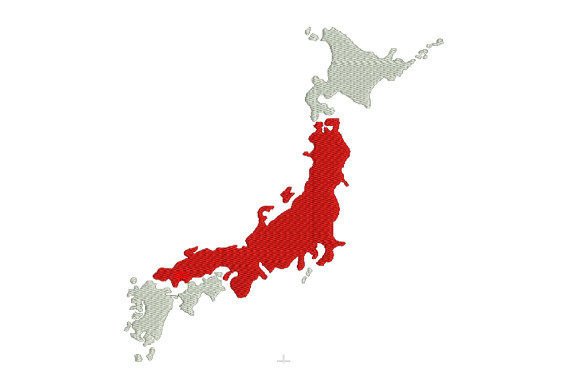
The visual personality of this design is immediately striking. It leverages the iconic red circle and white field of the Japanese flag, but reimagines it through the geographic contours of the archipelago. This creates a sense of prosperity and modern elegance that feels distinctively Asian in its inspiration yet universally appealing in its simplicity. For an embroidery project aiming to convey sophistication or travel appreciation, the mood is right on target. It avoids the cluttered detail often found in complex maps, opting instead for a bold, graphic statement that relies on strong shapes rather than intricate street-level details.
From Screen to Stitch: A Real-Life Scenario
To truly judge a design like Japan Map Land of the Rising Sun, we have to move beyond the computer screen and imagine it in a real production environment. Let's say I am preparing a custom order for a small business owner launching a line of eco-friendly tote bags. They want a design that speaks to their love of Japan but remains versatile enough for customers who might not be avid travelers.
I visualize placing this design on a heavy cotton canvas tote. The clean lines of the map would stand out beautifully against the natural texture of the fabric. The red thread would pop vibrantly, creating a focal point that draws the eye immediately. Unlike a busy floral pattern that might get lost in the folds of a bag, this geometric representation offers a crisp, professional look that elevates the perceived value of the item. It transforms a simple tote into a conversation starter, perfect for a boutique gift shop or a travel-themed event.
However, the same design behaves differently when applied to other surfaces. Imagine trying to stitch this onto a fitted sweatshirt. The curvature of the shoulder area might distort the straight lines of the map if the hoop isn't positioned perfectly. While the design is robust, the transition from a flat digital preview to a curved garment requires careful planning. This is where the practical experience of an embroiderer comes into play; knowing that Japan Map Land of the Rising Sun works best on relatively flat areas helps manage client expectations before the machine even starts humming.
Performance Across Different Textiles and Applications
The versatility of a design is often determined by its stitch density and layout. In testing scenarios for various products, this design shines as a tote bag design or a sweatshirt embroidery centerpiece. The use of satin stitches for the outlines provides a smooth, polished edge that mimics the precision of traditional Japanese craftsmanship. When used as a fill stitch for the interior, it creates a solid block of color that holds up well against frequent washing, which is crucial for items like kitchen towels or aprons.
For commercial embroidery projects targeting the Etsy seller or handmade market, this design offers excellent brand consistency. It is clean enough to be paired with minimal text, such as "Made in" or a location name, without creating visual chaos. This makes it ideal for personalized gifts where the recipient wants something unique but not overwhelming. The design also translates well to embroidered patches, where the bold contrast ensures the shape remains recognizable even after being cut out and sewn onto denim jackets or backpacks.
Conversely, there are applications where caution is required. If you are working with stretchy fabric like jersey knits for baby clothes, the stability of the design becomes a priority. While the shape is simple, the tension required to hold the red circle in place can sometimes cause puckering if the stabilizer isn't chosen correctly. Similarly, on dark fabric, the white background of the map design might need to be adjusted or underlaid heavily to ensure the red stands out sharply. Without proper underlay, the colors can bleed together, losing the crisp definition that makes the design so effective.
Navigating Technical Challenges and Limitations
No single design fits every scenario perfectly, and Japan Map Land of the Rising Sun is no exception. One of the primary considerations for any designer is the hoop size. Because the map spans the length of the country, attempting to stitch this in a very small hoop, such as one used for a cap brim or a tiny baby onesie, may result in cropping or distortion. The aspect ratio of the map needs adequate space to breathe.
Another critical factor is the stitch density. In areas where the landmass narrows, the density might increase to maintain the shape, which can lead to stiffness in the final product. This is acceptable for a wall hanging or a pillow cover, but it might feel uncomfortable on a garment worn directly against the skin. Designers should always test the hand-feel of the stitching on scrap fabric before committing to a full run. Additionally, while the design is generally clear, extremely fine details in the corners of the islands could be lost on textured fabrics like fleece or thick terry cloth, where the needle struggles to penetrate deeply enough to lay down a clean stitch.
Strategic Notes for Designers and Makers
Before integrating Japan Map Land of the Rising Sun into your workflow, there are several practical steps to ensure success. First and foremost, always test the design on scrap fabric that matches your intended final material. This allows you to check thread color contrast and see how the red and white interact with the specific weave of your cloth. If you are planning to sell the finished items, reviewing the design in black and white mockups can help you understand how the values will read, ensuring the logo remains legible even if the color palette changes.
Using the correct stabilizer is non-negotiable for maintaining the integrity of the map shape. For lightweight fabrics, a cut-away stabilizer provides the necessary support to prevent distortion during the hooping process. For heavier materials, a tear-away might suffice, but testing is key. Furthermore, designers must verify the licensing terms associated with the digital embroidery file. Some designs allow for unlimited commercial use, while others restrict the number of units sold. Confirming these details protects your craft business from legal issues down the road.
Ultimately, Japan Map Land of the Rising Sun is a strong asset for any creator looking to add a touch of international flair to their portfolio. Its ability to convey a sense of place and culture through simple geometry makes it a timeless choice for custom apparel and home decor. By approaching the design with a clear understanding of its strengths and limitations, you can produce finished products that not only look professional but also resonate deeply with customers seeking quality and meaning in their purchases.
Whether you are creating a holiday gift for a friend who loves travel or building a collection of small shop products for a growing audience, this design offers a reliable foundation. It invites creativity while providing the structural clarity needed for consistent results. As you move forward with your next embroidery project, remember that the best outcomes come from thoughtful preparation and a willingness to adapt the design to the unique demands of your chosen medium.