Tulshi Embroidery Design Review for Real Projects
As a professional embroidery designer who spends countless hours refining stitches and selecting fabrics, I am always looking for that perfect embroidery file to elevate my handmade products. When I first encountered the Tulshi design on Creative Fabrica, it caught my eye immediately. The title alone suggests something organic and rooted in nature, which is exactly what many of my clients are requesting for their custom apparel and home decor. This review is not just about listing features; it is an honest evaluation of how this machine embroidery design performs when moved from a digital preview to a real-world project like a tote bag, a baby blanket, or a boutique pillow cover.
The First Impression: Mood and Visual Appeal
When you open the preview of Tulshi, the immediate feeling is one of warmth and artistic comfort. Unlike some floral designs that feel stiff or overly geometric, this piece exudes a cozy vibe. It feels like a design meant to be touched, not just seen. For designers selling on Etsy or at craft fairs, the visual mood is everything. A customer scrolling through a shop needs to feel an emotional connection before they even click "buy."
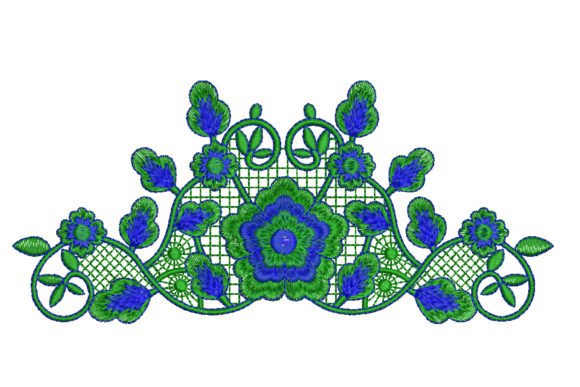
The Floral elements within Tulshi appear balanced, offering enough detail to look luxurious without becoming so dense that the fabric loses its texture. If you are planning to use this for custom apparel like sweatshirts or aprons, the artistic flair stands out well against cotton blends and heavier knits. However, if you intend to use it on delicate items like kitchen towels or light linens, the balance between the design's density and the fabric weight will need careful consideration. The initial look promises a high-quality finished product that can justify a higher price point in your shop.
Real-World Application: From Digital File to Finished Product
I recently considered using Tulshi for a specific order: a set of embroidered patches for a local boutique's new line of tote bags. The client wanted something unique that felt handmade but could still be produced efficiently. This is where the versatility of a Creative Fabrica embroidery asset becomes crucial. Does Tulshi translate well to curved surfaces? Can it handle the stress of daily use?
In terms of commercial embroidery, the design offers a strong foundation. The stitch patterns seem designed to create depth, which is essential for items that need to stand out in product photography. Whether you are creating a personalized gift for a wedding or a batch of handmade products for a holiday market, Tulshi adds a layer of sophistication. It works particularly well for home decor items like decorative pillows and bedsheets, where the soft, artistic lines can complement various interior styles.
For sellers looking to expand their inventory, this design is excellent for seasonal collections. Imagine a winter collection featuring Tulshi on woolen caps or a spring line on linen napkins. The adaptability of the design allows you to maintain brand consistency while refreshing your offerings with different colorways and fabrics. It serves as a versatile design asset that can bridge the gap between simple crafts and professional boutique merchandise.
Practical Considerations for Stitching Success
While the visual appeal is undeniable, a designer must also consider the technical execution. Before committing to a full production run, there are several practical factors to evaluate. One of the most common pitfalls in embroidery is ignoring the stitch density. If Tulshi contains areas of heavy fill stitch, applying it to a stretchy fabric like a t-shirt or a cap without proper support can lead to puckering.
To ensure a flawless result, always test on scrap fabric that matches your final material. Pay close attention to the hoop size requirements listed on the product page. If the design is intended for a small hoop, it might be challenging to place on larger items like a sweatshirt chest area without re-hooping, which can affect alignment. Conversely, if it requires a large hoop, ensure your machine can accommodate it comfortably.
Another critical factor is the choice of thread colors. On dark fabric, the lighter threads in Tulshi might require a stabilizer or underlay to prevent show-through, which could alter the clean look of the design. Conversely, on white or light fabrics, ensure the thread contrast provides enough definition. Always inspect small details after stitching, especially if the design includes tiny lettering or intricate flower centers, as these can sometimes get lost in the stitching process if the tension is off.
Using the correct stabilizer is non-negotiable. For items like tote bags or aprons that undergo frequent washing, a cut-away stabilizer is often necessary to maintain the integrity of the finished product over time. If you are working with textured fabrics, such as denim or corduroy, you may need to adjust your hooping technique to avoid distorting the fabric grain around the Tulshi pattern.
Evaluating Value and Brand Impact
Investing in a quality digital embroidery file like Tulshi directly impacts your brand's reputation. Customers expect high standards when purchasing handmade goods. A poorly executed design can damage trust, but a beautifully stitched Tulshi can become a signature element of your shop. The artistic feel of the design enhances the perceived value, making customers more likely to recommend your work to others.
Furthermore, a cohesive design library helps in creating a unified look across your product range. Whether you are selling embroidered patches or kitchen towel designs, maintaining a consistent aesthetic builds a loyal following. When you present your items for sale, having a reliable design like Tulshi ensures that your mockups and photos accurately represent the final item, reducing returns and increasing customer satisfaction.
Final Thoughts for the Creative Entrepreneur
After reviewing the potential of Tulshi, it is clear that this design has the makings of a staple in any serious embroiderer's collection. It balances artistic expression with commercial viability, making it suitable for a wide range of projects from apparel decorators to small business owners. However, success lies in preparation. Always check the file details, licensing terms, and recommended settings on the Creative Fabrica product page before starting your next big project.
Remember to review the specific instructions regarding satin stitch, fill stitch, and running stitch combinations provided in the file. By taking the time to test and refine your approach, you can turn a simple digital download into a premium, handcrafted item that your customers will cherish. If you are ready to add a touch of cozy artistry to your next creation, Tulshi is definitely worth exploring.