Sea Turtle Embroidery Review
As a designer who spends more time than I care to admit tweaking stitch density and testing thread colors, I approach every new embroidery file with a mix of excitement and skepticism. The market is flooded with generic shapes, but the "Sea turtle" design caught my eye immediately. It sits comfortably in the Baby Animals category, yet it feels versatile enough to transcend that single label. Before I commit this design to a client's custom order or list it as a digital asset for my own shop, I need to know if it holds up under real-world stitching conditions. After running some tests on scrap fabric and visualizing it on various products, here is my practical assessment of how this design performs.
First Impressions: Mood and Visual Personality
The moment you open the file, the layout suggests a design that is both playful and elegant. Unlike many animal motifs that feel stiff or cartoonish, the Sea turtle carries a sense of calm movement. The shape is fluid, which translates beautifully when converted into stitches. For an embroidery project, the mood is crucial; it sets the tone for the finished product. This design screams relaxation and nature, making it perfect for beach-themed apparel, nursery decor, or eco-friendly tote bags.
The detail level strikes a good balance. It isn't so sparse that it looks unfinished, nor is it so dense that it creates a heavy, board-like texture. The visual personality is friendly and approachable, which is exactly what you want when creating personalized gifts or boutique items for children. When I look at the mockups, I can easily see this design adorning a soft baby onesie or a sturdy canvas tote bag without feeling out of place.
Real-World Application: From Scrap Fabric to Finished Product
To truly judge a machine embroidery design, I don't just look at the vector lines; I imagine the final result on different fabrics. Let's say I am preparing a collection of handmade products for an upcoming craft fair. I have a stack of plain white aprons and some denim tote bags waiting for decoration. How would the Sea turtle hold up?
On a light-colored cotton tote bag, the design shines. The contrast between the thread and the fabric allows the curves of the shell and flippers to pop. If I use a satin stitch for the outline, it gives the piece a polished, professional finish that elevates the perceived value of the item. Customers browsing an Etsy listing will instantly recognize the quality of the work, building trust in the brand. For a small business owner, this distinction is everything.
I also envision this design on a sweatshirt for a holiday gift. The fill stitches provide enough coverage to create warmth and texture against the fleece material. However, the placement matters. A centered chest logo works well, but placing it on a pocket adds a cute, unexpected touch. The design's simplicity ensures it doesn't get lost on a bulky garment, maintaining its clarity even when the fabric stretches slightly during wear.
Performance on Specific Materials
- Sturdy Fabrics: Canvas, denim, and twill are ideal. The design anchors well without puckering, provided the correct stabilizer is used.
- Soft Knits: For baby clothes or t-shirts, the design requires a cutaway stabilizer to prevent distortion. The Sea turtle flows nicely over the grain of knit fabrics, but the density must be checked to ensure it doesn't pull the fabric too tightly.
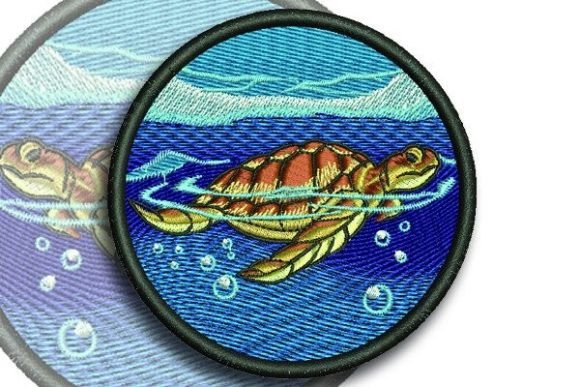
- Patches: If you plan to make an embroidered patch, this design offers excellent definition. The clear separation between the head, shell, and flippers makes it easy to trim and back correctly.
Where to Use Caution: Limitations and Challenges
No design is perfect for every situation, and honest review requires acknowledging where a pattern might struggle. While the Sea turtle is robust, there are specific scenarios where it needs careful handling.
If you are working with a very small hoop size, such as one intended for a hat cuff or a tiny baby bib, you may find the details become crowded. The curves of the shell require enough space to render smoothly. On thin or stretchy fabrics like silk or lightweight jersey, the stitch density could cause the material to pucker if not stabilized properly. In these cases, the design might lose its elegance and look distorted.
Dense stitch areas can also be problematic on dark fabrics if the thread count isn't high enough to cover the background completely. You might need to add an extra layer of underlay or use a higher thread count to ensure the design stands out against a black or navy background. Additionally, while the design is great for flat surfaces like pillow covers or kitchen towels, applying it to curved surfaces like baseball caps requires precise digitizing adjustments to account for the curvature of the brim.
Impact on Brand Value and Customer Trust
For creative entrepreneurs and Etsy sellers, the quality of your embroidery directly impacts your bottom line. A sloppy stitch job can ruin a product, but a clean, well-executed design builds a reputation for excellence. The Sea turtle design, when stitched correctly, projects a sense of professionalism and care. It suggests that the maker paid attention to detail, which increases customer satisfaction and encourages repeat business.
In terms of visual appeal, the design's clean lines make it highly recognizable. Whether it is used on a custom apparel item or a decorative pillow, it communicates a specific aesthetic that buyers love. It fits seamlessly into themes of travel, ocean conservation, or simple joy. When you present a finished product with this design, the visual clarity enhances the overall presentation, making it a compelling choice for commercial embroidery projects.
Practical Designer Notes for Success
Before you start stitching this design into a mass production run or a special order, there are several technical steps you must take to ensure success. First and foremost, always test the design on a scrap piece of the same fabric you intend to use. This helps you gauge the thread color contrast and check for any potential puckering issues.
Review the stitch density carefully. If the design feels too heavy, consider adjusting the settings or using a lighter stabilizer. Confirm your hoop size matches the dimensions of the design to avoid clipping important details. Inspect the small details, particularly around the eyes and the edges of the shell, to ensure they are defined and not merging together.
It is also wise to test the design in black and white mockups before committing to expensive threads. This helps visualize the tonal values and ensures the design reads well regardless of the color palette. Always use proper stabilizer—cutaway for stability on knits and tear-away for wovens—and double-check the licensing terms if you plan to sell the finished items. Finally, compare how the design looks on both light and dark backgrounds to ensure versatility across your product line.
By following these guidelines, the Sea turtle design becomes more than just a digital file; it transforms into a reliable tool for your creative business. It offers the flexibility needed for a wide range of applications, from baby embroidery to holiday embroidery, ensuring that your finished products remain beautiful and durable.