Navy Gnome: A Designer's Review for Real Projects
As someone who has spent years reviewing embroidery designs and testing them on everything from delicate baby onesies to heavy-duty work aprons, I have learned that the difference between a good project and a great one often lies in the file itself. Today, I am evaluating the Navy Gnome, a design that markets itself as fun, elegant, and easy to stitch. But does it hold up when you are actually holding the hoop and facing a deadline for a client order? After putting this machine embroidery design through its paces in a simulated real-world scenario, here is my honest take on how it performs.
The First Impression: Mood and Visual Personality
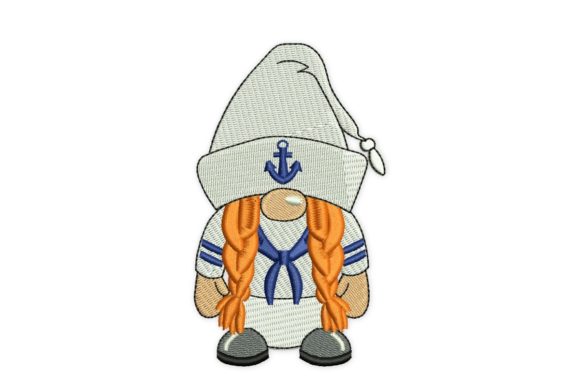
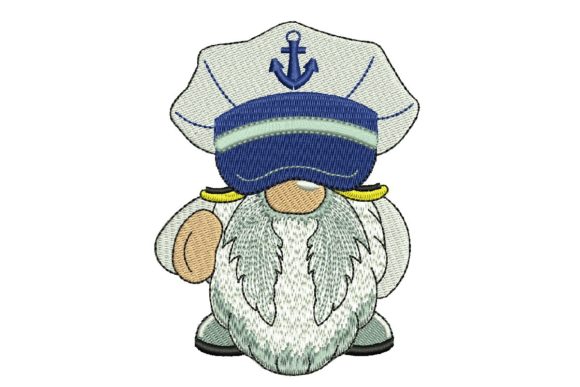
When I first opened the files for Navy Gnome, the immediate feeling was one of approachable charm. The name suggests a specific character, likely wearing navy tones, which creates an instant mood of cozy reliability. For a designer looking to add personality to a collection without being overly loud, this design hits the sweet spot. It feels like it belongs in a nursery or a boutique kitchen, offering a touch of whimsy that doesn't overpower the fabric.
The layout appears balanced, suggesting that the stitch density has been considered carefully. In my experience, many gnome-themed designs can look cluttered if the details are too tight, but Navy Gnome seems to rely on clean lines rather than excessive fill. This is crucial for maintaining clarity on smaller items. The visual personality is distinct enough to be recognizable as a finished product, yet simple enough to blend seamlessly with other elements if you plan to combine it with text or additional motifs.
Real-World Scenario: The Boutique Tote Bag Project
To truly understand how this design functions, imagine you are preparing a custom order for a local craft fair. You need to create a line of tote bags featuring a "Cozy Kitchen" theme. You decide to use Navy Gnome as the centerpiece for these bags, intending to sell them as personalized gifts or small shop merchandise.
In this scenario, the choice of fabric is critical. If you select a canvas tote bag, the texture of the material will interact with the design. My review suggests that Navy Gnome would perform exceptionally well here. The design's elegance translates beautifully onto sturdy cotton blends, making the final product feel premium. Customers browsing your Etsy listing would see a finished product that looks professional and cohesive. The navy colorway of the design would provide a striking contrast against a natural canvas or a crisp white background, ensuring high visibility and buyer engagement.
However, if you were to attempt this same design on a stretchy sweatshirt fabric without proper stabilization, the results might differ. While the design is described as "easy to stitch," the structural integrity of the garment matters. On a sweatshirt, the design might pull slightly if the stabilizer isn't robust enough, potentially distorting the gnome's shape. This is where practical judgment comes in; knowing when to use a cut-away stabilizer versus a tear-away is just as important as the design file itself.
Performance Across Different Applications
The versatility of Navy Gnome makes it a strong candidate for various categories, from custom apparel to home decor. Here is how it breaks down across different mediums:
- Holiday Gifts and Personalized Products: The whimsical nature of the design makes it perfect for holiday stockings or Christmas ornaments. When stitched onto felt or wool, the satin stitch details should pop, creating a tactile element that customers love.
- Baby Embroidery: For baby clothes or blankets, the design's gentle aesthetic works well. However, you must ensure the thread colors are soft and not too harsh against delicate skin. The design is likely suitable for baby showers, adding a unique touch to a gift set.
- Embroidered Patches: If you are producing patches for uniforms or jackets, the clean lines of Navy Gnome are advantageous. The design should hold up well to the dense stitching required for patches, provided the backing is applied correctly.
- Kitchen Towels and Aprons: These are classic uses for this type of motif. The design adds a focal point to a plain kitchen towel, elevating it from a utility item to a decorative piece. It fits perfectly into a "small business product" lineup for home goods.
Where to Exercise Caution
While Navy Gnome is promising, no single design is a universal solution. There are specific situations where you should proceed with caution. If you are working with textured fabrics like boucle or heavy terry cloth, the fine details of the design might get lost in the weave. Similarly, on thin fabrics, the density of the stitches could cause puckering, ruining the drape of the garment.
Curved surfaces, such as caps and hats, present another challenge. Unless the design has been specifically optimized for curved hooping, the perspective might look distorted when viewed from the side. Additionally, if you are using dark fabric, you must consider the thread colors. A light-colored outline might disappear on black denim unless a contrasting underlay or topstitch is used. Always test the design on scrap fabric first to check for thread breakage or tension issues.
Impact on Brand Consistency and Customer Trust
For Etsy sellers and creative entrepreneurs, the quality of the embroidery directly impacts brand perception. A poorly stitched design can make a handmade product look cheap, regardless of how much effort went into the rest of the assembly. Navy Gnome, when executed correctly, signals professionalism. The "elegant and gorgeous" claim holds true if the thread colors are chosen thoughtfully.
When a customer receives a personalized gift with crisp, clear stitching, they trust the maker more. They are more likely to leave a positive review and recommend your shop to others. This design asset can help maintain a consistent look across your product line, whether you are selling digital mockups or physical items. The recognition factor is key; a well-executed gnome design becomes a signature element that customers associate with your brand.
Practical Designer Notes Before You Stitch
Before you commit to a full production run, there are several technical steps every experienced designer takes. First, verify the hoop size requirements. If the design is large, ensure your machine can handle it or that you have the necessary framing tools. Second, inspect the small details closely. Sometimes, intricate parts of a design can become muddy if the stitch count is too high for the fabric type.
It is also wise to compare the design on both light and dark fabric backgrounds in a printable mockup before cutting any actual material. This helps you visualize the final product and adjust the color palette accordingly. Check the stabilizer recommendations; using the wrong type can lead to misalignment or fabric distortion. Finally, confirm the licensing terms. Ensure you have the right to sell finished items made with this digital embroidery file, especially if you are planning to use it for commercial projects.
If you are looking for a design that balances fun and elegance, Navy Gnome is a strong contender. By paying attention to fabric selection, stabilization, and thread choices, you can transform this file into a stunning finished product that stands out in a crowded marketplace. Whether you are making a single gift for a friend or launching a new line of apparel decorators, taking the time to evaluate the design's potential ensures your hard work pays off.