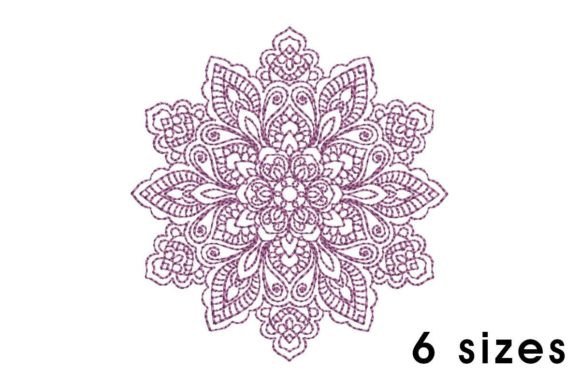
Mandala Pattern Embroidery Design Review
As an experienced embroidery designer, I spend a significant amount of time evaluating digital files before they make it into my seasonal collections. The market for holiday embroidery is incredibly competitive, and the difference between a bestseller and a stagnant listing often comes down to design versatility, emotional resonance, and technical execution. Today, I am reviewing the Mandala Pattern file to determine its viability for upcoming product drops, gift bundles, and limited-time offers. This review focuses on how this specific machine embroidery design performs in real-world selling scenarios for Etsy sellers, small business owners, and craft fair exhibitors.
First Impressions: Mood and Aesthetic Appeal
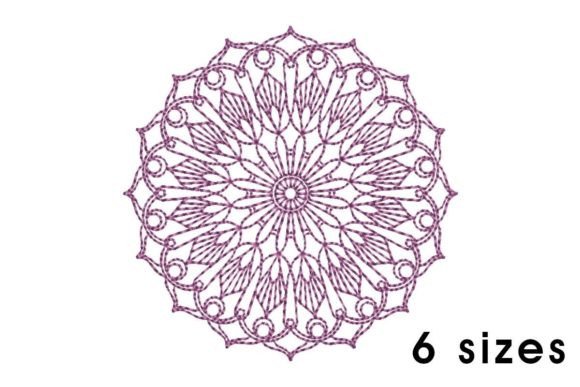
When you first load the Mandala Pattern onto your screen, the immediate takeaway is its balance of intricate detail and structural symmetry. For holiday and seasonal products, the visual tone is crucial. This design strikes a chord that feels both elegant and accessible. It carries a spiritual yet grounded energy, making it suitable for a wide range of audiences without being overly niche. The decorative style leans toward modern rustic, which is currently dominating trends in home decor and apparel.
The emotional tone of the Mandala Pattern is one of coziness and mindfulness. In a season often defined by chaos and rushing, designs that evoke calmness perform exceptionally well. This file does not scream "festive" with traditional reds and greens; rather, it offers a premium, timeless aesthetic that allows the creator to define the mood through thread choice. Whether you are aiming for a nostalgic feel using warm earth tones or a romantic vibe with soft pastels, the underlying structure supports a high-end look. For handmade gift makers, this versatility is invaluable because it allows you to pivot your marketing angle based on current social media trends.
Seasonal Product Applications and Selling Scenarios
The true test of any embroidery file is its application across various product categories. Here is how the Mandala Pattern integrates into common seasonal inventory:
- Sweatshirt Embroidery: This design works beautifully on the back yoke or center chest of crewneck sweatshirts. The symmetry aligns perfectly with garment construction, creating a balanced look that appeals to customers looking for personalized gift options for themselves or their families.
- Tote Bag Design: As a staple accessory for holiday shopping and craft fairs, a tote bag featuring the Mandala Pattern serves as a walking advertisement. It is durable, practical, and aesthetically pleasing. The design scales well on canvas materials, offering a bohemian flair that attracts younger demographics.
- Kitchen Towel Embroidery: For home-focused holidays, kitchen towels remain a top seller. The circular nature of the mandala fits neatly within standard towel dimensions without feeling cramped. When paired with linen blends, the texture enhances the visual depth of the stitches.
- Pillow Cover and Home Decor: Large hoop applications on throw pillows allow the details of the Mandala Pattern to shine. These items are perfect for autumn and winter decor, adding a touch of sophistication to living spaces. They also make excellent mid-range price point gifts.
- Embroidered Patch: Converting the design into a patch format opens up opportunities for denim jackets, beanies, and backpacks. Patches offer a tactile element that customers love, and the mandala shape ensures it sits flat and looks intentional on curved surfaces.
- Baby Items and Aprons: While mandalas can sometimes appear complex, simplified versions work wonderfully on baby onesies or burp cloths for gender-neutral nursery themes. Similarly, aprons benefit from the central placement of the pattern, framing the wearer elegantly during holiday cooking gatherings.
Strategic Marketing and Giftability
Incorporating the Mandala Pattern into your shop strategy requires understanding buyer psychology. Holiday shoppers are often looking for items that feel special but also reliable. A design that is clean, tested, and visually striking builds immediate customer trust. When you create a printable mockup or a social media preview, the symmetry of the mandala draws the eye inward, encouraging longer engagement times on platforms like Instagram or Pinterest.
This design is highly "gift-ready." It does not rely on text or specific holiday symbols that might limit its relevance. Instead, it relies on universal appreciation for art and craftsmanship. This makes it easier to bundle. You can pair a kitchen towel embroidery set with matching pillow cover designs to create a "Home Sanctuary" bundle. The ability to cross-sell increases your average order value, a key metric for successful Etsy sellers.
Furthermore, the design’s adaptability supports brand consistency. If your shop has a cohesive aesthetic, adding the Mandala Pattern reinforces that identity. It signals to your audience that you curate designs with care and attention to detail, which justifies premium pricing compared to mass-produced alternatives.
Critical Technical Considerations and Warnings
While the Mandala Pattern is versatile, it demands respect regarding technical execution. Not all embroideries are created equal, and ignoring these nuances can lead to unhappy customers and negative reviews.
- Hoop Size and Scale: Always confirm the recommended hoop size before stitching. Attempting to scale a complex mandala too small can result in muddy details where individual stitches merge together. If you plan to use smaller hoops, ensure the file version you have is optimized for mini-hoops.
- Stitch Density and Fabric Texture: Check the stitch density carefully. Mandala patterns often involve dense fills. On thick towels or heavy canvas, this can cause puckering if not stabilized properly. Conversely, on delicate fabrics, excessive density can distort the material. You must choose the right fabric weight to support the design's structure.
- Stabilizer Selection: Proper stabilization is non-negotiable. For stretchy garments like sweatshirts, a cut-away stabilizer is essential to prevent distortion over time. For woven fabrics like table linens, tear-away may suffice, but wash-away is safer for intricate edges to avoid residue.
- Thread Colors and Contrast: Test your thread colors on both light and dark fabrics. The effectiveness of a mandala relies heavily on contrast. Metallic threads can add a festive touch for holiday ornaments, but they require slower speeds and careful tension settings to avoid breakage. Dark fabrics often require a backing layer to prevent the base fabric color from showing through light-colored threads.
- Commercial Licensing: Before listing any finished products, verify the commercial licensing terms. Ensure you have the rights to sell physical goods made from this digital embroidery file. This protects your small business from legal issues and builds long-term sustainability.
Final Designer Verdict
The Mandala Pattern is a strong contender for seasonal collections. Its blend of modern elegance and timeless symmetry makes it adaptable for a wide array of products, from apparel to home decor. By paying close attention to technical details like stitch density, stabilizer choice, and thread colors, you can produce high-quality finished products that resonate with holiday shoppers. For the savvy small shop product creator, this design offers the flexibility needed to stand out in a crowded marketplace while maintaining professional standards. Remember, the success of your handmade gift listings depends not just on the design, but on how well you execute it. Test thoroughly, mock up realistically, and let the quality of your work speak for itself.