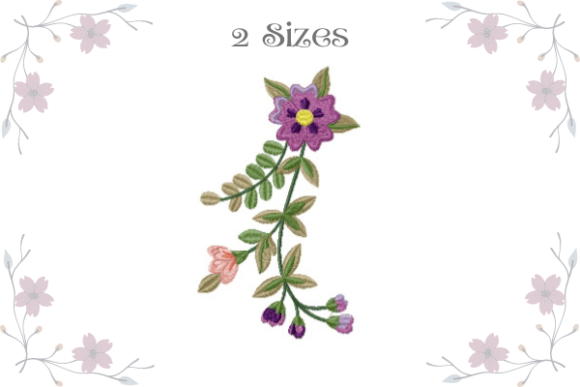
Lovely Flower Embroidery Review
As an embroidery designer who spends weekends hunched over a sewing machine and weekdays planning inventory for craft fairs, I know that the difference between a design that sits on a shelf and one that flies off the table often comes down to visual impact and versatility. When I first reviewed the Lovely Flower machine embroidery design, my immediate thought was about its potential to anchor a handmade booth display. The description promises a "cozy and artistic feel," which is exactly the vibe that draws customers into a booth and encourages them to pick up items for closer inspection.
In this review, I am looking at Lovely Flower not just as a digital asset, but as a foundational element for a profitable line of craft fair products. We will evaluate how this design performs across various textiles, from soft home goods to wearable accessories, and discuss the practical considerations every Etsy seller or boutique maker needs to keep in mind before committing to bulk production.
First Impressions: Cozy Meets Commercial Appeal
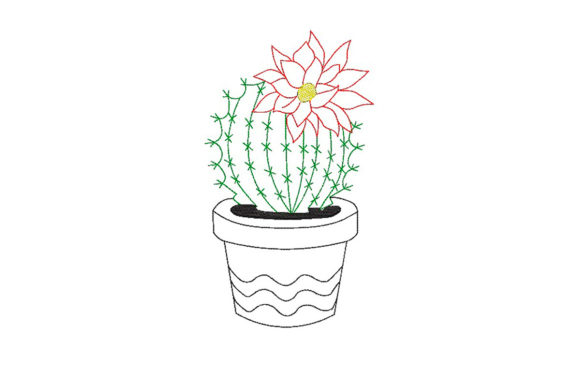
The title Lovely Flower suggests a design that is approachable rather than overly ornate. In the world of wedding flowers and general decor, there is a massive market for pieces that feel warm, inviting, and slightly rustic yet polished. Based on the product description, this embroidery file seems designed to add character without overwhelming the base fabric. This is crucial for sellers because it means the design can work on both subtle items like tea towels and bolder items like denim aprons.
When evaluating any digital embroidery file, I look for balance. Does the design have enough detail to look premium when zoomed in, but enough simplicity to be recognizable from three feet away? A cozy, artistic floral motif typically strikes this balance well. It feels decorative without being cluttered, making it an excellent choice for home decor enthusiasts who want their spaces to feel curated but comfortable.
Product Versatility: Where Lovely Flower Shines
One of the biggest challenges for small business owners is creating a cohesive collection that appeals to different buyer personas. Lovely Flower offers remarkable versatility, allowing you to create a diverse range of handmade products that still feel like they belong to the same brand family.
Home Goods and Kitchen Textiles
Kitchen textiles are high-volume sellers at craft fairs. Applying this design to tea towel embroidery projects is a natural fit. The artistic feel mentioned in the description translates beautifully to cotton flour sacks or linen blends. Similarly, using it on decorative pillows or bed sheets can elevate basic home goods into giftable items. Because the design is described as adding a "cozy" feel, it pairs exceptionally well with neutral fabric colors, allowing the thread colors to pop without clashing with the room’s aesthetic.
Wearables and Accessories
For those looking to expand into apparel, this design works well as a focal point on an apron embroidery project. Whether for cooking or gardening, an apron featuring a lovely floral motif is a staple gift item. Furthermore, the design’s adaptability makes it suitable for a tote bag design application. A simple canvas tote embroidered with a single, centered flower can look incredibly chic and modern. It also works effectively as an embroidered patch for caps or backpacks, offering a way to sell lower-priced impulse buys alongside higher-ticket items.
Digital and Print-on-Demand Assets
If you are a digital seller or use print-on-demand services, high-quality mockups are essential. A printable mockup of Lovely Flower on a variety of backgrounds—such as a wooden table for kitchen items or a clean white wall for apparel—can help you test marketing angles before investing in physical inventory. The design’s clarity ensures that even in smaller thumbnail sizes on Etsy or social media, the floral details remain distinguishable.
Production Practicality and Quality Control
While the aesthetic appeal is strong, the true test of any commercial embroidery design lies in its production feasibility. As a designer, I always advise testing new designs thoroughly before listing them for sale. Here are the key technical aspects to consider when working with Lovely Flower.
- Stitch Density and Clarity: Check the stitch density carefully. If the flower has tiny petals or intricate centers, ensure the design holds up at your intended hoop size. Designs that are too dense may pucker lightweight fabrics, while designs with too much negative space might look sparse on thicker materials. Always inspect the stitch direction to ensure smooth transitions between colors.
- Fabric Texture Compatibility: The description mentions trying the design on "bedsheets" and "clothes." These fabrics vary widely in texture. Test your design on the actual fabric you plan to sell. For example, a highly textured towel might obscure fine details, whereas a smooth percale sheet will render the design crisply. Understanding fabric texture is vital for maintaining consistent quality across all your small shop products.
- Thread Contrast and Color: Evaluate how the recommended thread colors interact with your chosen base fabrics. High contrast usually yields the best results for sales photos, but tonal threads can offer a more premium, subtle look. Experiment with color combinations to see which ones attract the most attention in your booth lighting.
- Stabilizer Selection: Using the right stabilizer is non-negotiable for professional results. Heavier fabrics may require cut-away stabilizers for durability, while lighter fabrics might do better with tear-away options. Proper stabilization prevents distortion and ensures the flower shape remains round and balanced, not stretched or skewed.
Selling Strategy and Customer Engagement
From a marketing perspective, Lovely Flower serves as a strong visual hook. In a busy craft fair environment, customers scan booths quickly. A design that is instantly recognizable as "lovely" and "floral" communicates warmth and care immediately. This emotional connection is what drives sales for handmade gifts and boutique items.
To maximize engagement, consider displaying your finished products in a way that highlights the design’s versatility. Show the same flower design on a mug, a pillow, and a tote bag side-by-side. This demonstrates to buyers that they can mix and match items to create a coordinated look, potentially increasing your average order value. Additionally, if you are an Etsy seller, use these varied applications in your listing titles and tags to capture different search intents, such as "floral home decor" or "personalized kitchen gifts."
Final Verdict for Designers and Sellers
Lovely Flower appears to be a solid addition to any embroiderer’s library, particularly for those focused on the home and lifestyle market. Its promise of a "cozy and artistic feel" aligns perfectly with current trends in handmade goods. However, success depends on execution.
Before launching a full line, I strongly recommend creating at least one real mockup of each product type you intend to sell. Inspect the design assets under different lighting conditions and handle the physical products to ensure they meet your quality standards. Also, double-check the commercial licensing terms associated with the machine embroidery design to ensure you are protected when selling finished goods.
By paying attention to these details—from hoop size and stabilizer choice to fabric selection and display strategy—you can transform a simple floral design into a standout craft fair product that resonates with customers and builds your brand’s reputation for quality and style.