Ice Cream Cup: A Designer's Review for Craft Fairs
As an experienced embroidery designer who has spent countless weekends setting up booths at local craft fairs and managing online handmade shops, I know that the difference between a design that gathers dust and one that sells out lies in its practical application. Today, I am reviewing the Ice Cream Cup machine embroidery design with a critical eye toward its potential as a best-selling craft fair product. When you are preparing a table display filled with embroidered tote bags, aprons, tea towels, patches, caps, small pouches, and pillow covers, every single element must work hard to catch the eye of a passerby.
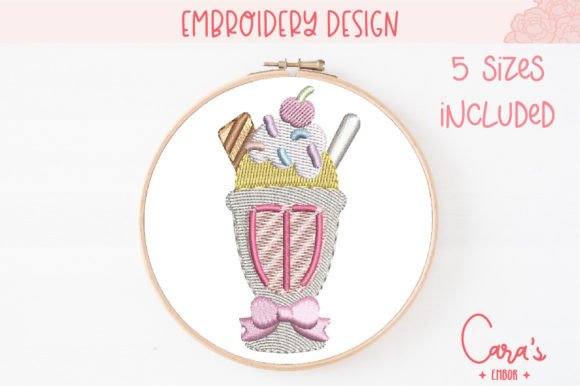
The first impression of Ice Cream Cup is undeniably playful and sweet. Based on the title alone, it evokes a sense of summer joy and nostalgia. It feels modern yet approachable, perfect for a booth that wants to project a vibe of fun, festive charm without being overly rustic or formal. For Etsy sellers and boutique makers looking to create giftable handmade items, this design hits the sweet spot of being decorative enough to stand out but simple enough to appeal to a wide audience. It is not just a graphic; it is a mood setter that suggests a relaxing afternoon treat.
Visual Appeal and Product Versatility
When evaluating where Ice Cream Cup would stand out in a real-world scenario, the versatility is impressive. Imagine your booth display featuring a collection of products. On a canvas tote bag design, the design acts as a cheerful focal point that instantly communicates a lighthearted brand identity. Customers walking by are drawn to bright, appetizing imagery, and an embroidered ice cream cup offers exactly that visual hook.
On kitchen-focused items like tea towel embroidery or apron embroidery, the design transitions beautifully from a novelty item to a functional piece of decor. The soft curves of the cup suggest a farmhouse or modern aesthetic that fits seamlessly into home kitchens. For smaller accessories, such as embroidered patch applications on denim jackets or fabric pouches, the design maintains its character even at reduced scales, provided the original file integrity is preserved.
In terms of photography for online listings, Ice Cream Cup photographs exceptionally well. The subject matter allows for vibrant color palettes that pop against neutral backgrounds, making your printable mockup images more engaging. Whether you are creating a listing for a small shop product or a larger commercial line, the design assets provide a strong foundation for visual storytelling. It works equally well as a standalone feature on a pillow cover or as part of a set of matching market bags.
Production Practicality and Quality Assurance
From a production standpoint, efficiency is key for any commercial embroidery business. The description explicitly states that resizing or editing the design is not recommended and that the quality cannot be guaranteed if altered. This is a crucial note for designers and entrepreneurs. It suggests that the stitch density and placement have been meticulously calculated to ensure top quality. As a professional, I advise you to respect these boundaries. Altering the dimensions could disrupt the balance of the stitches, leading to puckering or loss of detail, which would hurt the perceived value of your finished product.
This design has been tested and reviewed to ensure it performs reliably in batch production. For a busy weekend at a craft fair, you need designs that run smoothly without constant adjustments. The Ice Cream Cup appears to be optimized for clarity, meaning it should register well on various fabric textures. However, because the design features specific details, it is vital to understand how it handles different materials. Dense stitch areas require the right stabilizer to prevent distortion, especially on lighter fabrics or when working with high-speed machines.
Where It Shines and Where to Be Cautious
To maximize the selling potential, consider the context of the product. On thick fabrics, the design might lose some of its delicate definition if the thread count is too low. Conversely, on smooth, tightly woven cottons often used for embroidery file projects, the lines should appear crisp and clean. The design works best as a medium-sized accent or a central focal point. Trying to force it into a tiny space, such as a small cap logo, might compromise the legibility of the cup shape.
When photographing these items for digital platforms, pay attention to thread colors. High contrast between the thread and the fabric will make the Ice Cream Cup pop in digital embroidery file previews and actual photos. If you are selling to customers who appreciate premium quality, ensure that the finish is impeccable. A slightly loose stitch or a missed jump thread can turn a cute design into a cheap-looking item, regardless of how charming the subject is.
Essential Designer Notes for Success
Before you commit to producing a large inventory for your next event, follow these practical steps to ensure your finished product meets professional standards. First, always test the design on scrap fabric that matches the texture and weight of your final material. This helps you visualize how the stitch density interacts with the weave of the cloth.
Check your thread colors carefully. The success of Ice Cream Cup relies heavily on the vibrancy of the threads used to render the ice cream and the cup. Ensure you have a sufficient variety of shades to capture the gradients and highlights that give the design its three-dimensional feel. Additionally, review the spacing within the hoop. Confirming the correct hoop size prevents unnecessary trimming or re-hooping, which saves time during high-volume production runs.
Inspect the stitch density closely. If the design is too dense, it may become stiff and uncomfortable on wearable items like hats or aprons. If it is too sparse, it may look thin and lack impact. Use the appropriate stabilizer to support the fabric during stitching, particularly if you are working with stretchy knits or textured towels. Creating at least one real mockup before launching a full line allows you to assess the tactile quality and visual appeal in person, rather than relying solely on digital representations.
Finally, compare fabric colors under natural lighting conditions. What looks perfect under artificial booth lights might appear dull in daylight. By confirming these details, you protect your reputation as a creator of high-quality goods. Remember to confirm commercial licensing before selling finished products made with this design to avoid legal issues down the line.
In conclusion, Ice Cream Cup is a versatile and appealing choice for anyone looking to expand their collection of dessert-themed or summer-inspired goods. Its playful nature makes it ideal for engaging buyers at craft fairs and adding a touch of whimsy to your online store. By respecting the design specifications and following rigorous production checks, you can transform this digital asset into a tangible success story. Whether you are an Etsy seller or a boutique maker, this design offers a solid opportunity to create memorable, handcrafted items that customers will love.