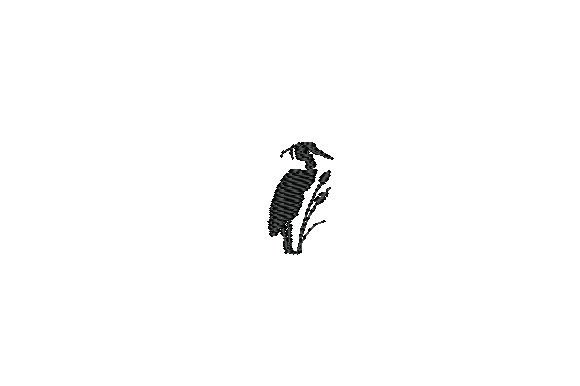
Heron and Cattail Grass Miniature: A Designer's Review
As an experienced embroidery designer who spends countless hours testing digital files for my own boutique, I recently received the Heron and Cattail Grass Miniature design to evaluate for a new line of personalized gifts. When you are running a small shop on Etsy or preparing inventory for a craft fair, every single digitized file must earn its place in your collection. This isn't just about whether the machine can stitch it; it is about whether the finished product will resonate with customers looking for something meaningful. After running several test samples on various fabrics, I have compiled this practical review to help you decide if this bird-themed piece fits your business strategy.
The First Impression: Mood and Charm
The moment I opened the file, the mood of the Heron and Cattail Grass Miniature struck me as serene and timeless. Unlike many modern designs that rely on complex shading or multiple colors, this piece embraces a minimalist aesthetic with its single-color execution. It feels elegant yet approachable, perfectly capturing the quiet grace of a heron standing near marsh reeds. The cattail grass elements add a touch of organic texture that grounds the image, making it feel like a snapshot of nature rather than a rigid graphic.
This emotional appeal is exactly what drives sales in the personalized gift market. Customers do not just buy an embroidered towel; they buy a memory. The simplicity of this design allows the viewer to project their own feelings onto the artwork. Is it sweet enough for a nursery? Absolutely. Is it sophisticated enough for a wedding keepsake? Yes. The charm lies in its restraint. It does not shout for attention but whispers a story of nature and tranquility. For a handmade seller, this balance is crucial because it ensures the design complements the fabric rather than overpowering it.
Versatility in Personalized Products
I tested the Heron and Cattail Grass Miniature across a wide range of products to see how it translates from a digital screen to a physical item. Its mini-sized format makes it incredibly versatile for items where space is limited but impact is needed. On a baby blanket, the design creates a focal point that looks adorable without taking up the entire surface area. The single-color thread works beautifully here, offering a soft contrast against pastel cottons or neutral linens.
For kitchen towels, this design shines as a statement piece. Imagine a crisp white flour sack towel with the heron stitched in a deep navy or forest green thread. It adds a rustic, farmhouse vibe that is highly sought after by home decor enthusiasts. Similarly, on a pillow cover, the miniature scale allows for creative placement, perhaps centered on a throw pillow or repeated along the border. The design also performs well on tote bags and aprons, where it serves as a subtle nod to nature lovers.
Wedding planners and gift designers will find particular value in this file. It can be used on custom handkerchiefs, napkins, or even as a monogram accent on guest books. Because the design is classified under Birds and Embroidery, it appeals to a specific niche of buyers who appreciate wildlife themes. Whether you are creating a digital mockup for an Etsy listing or producing a physical sample for a local market, this design offers a high perceived value. It signals to the buyer that you care about detail and quality, fostering trust in your brand.
Strategic Considerations and Limitations
While the Heron and Cattail Grass Miniature is a strong candidate for many projects, there are specific scenarios where caution is required. As a single-color design, the success of the final product relies heavily on thread color contrast. If you plan to use this on dark fabric, you must ensure the chosen thread color is light enough to stand out clearly. Conversely, on very light fabrics, a darker thread provides the necessary definition.
Textured fabrics present another challenge. Thick terry cloth towels or heavy canvas might obscure the finer details of the cattail grass. In these cases, the delicate lines could get lost in the pile of the fabric. Additionally, stretchy baby clothes require careful stabilizer selection. While the design is small, the tension on stretchy knits can cause distortion if the hoop size is not adjusted correctly or if the stabilizer is too flimsy. Curved surfaces, such as the body of a hat or a rounded bag, may also cause the straight lines of the reeds to appear slightly warped if the design is not hooped precisely.
It is also important to consider the washing requirements of the product. Items like aprons or kitchen towels undergo frequent washing and abrasion. A single-color design with high stitch density can sometimes feel stiff or show wear faster than a multi-color fill. Therefore, reviewing the stitch density before mass production is essential. If the design feels too dense, it might crack or pull the fabric over time. Always advise your customers on proper care instructions to maintain the integrity of the embroidered towel or blanket embroidery.
Practical Notes for Production
Before integrating the Heron and Cattail Grass Miniature into your commercial inventory, there are several technical steps you must take. First and foremost, always test on scrap fabric that matches your final product material. This allows you to check the thread color contrast and see how the fabric behaves under the needle. You should also confirm the hoop size required for the design to ensure it fits your intended product dimensions without cutting off parts of the heron or grass.
Reviewing the stitch density is critical for a clean finish. High-density areas can lead to puckering, especially on lighter fabrics. Use a proper stabilizer that supports the fabric weight; for baby products, a cut-away stabilizer often provides the best durability, while tear-away might suffice for stable wovens. Comparing light and dark fabric mockups during the design phase helps you visualize the final look before committing to a full run. Check the small details of the stitching after the test run to ensure no threads are missed and the outline is crisp.
Finally, never overlook the legal aspects of selling finished goods. Confirm the commercial licensing terms of the digital embroidery file. Some licenses allow for unlimited sales of physical products, while others restrict the number of units or require a separate license for resale. Ensuring you have the right permissions protects your small shop product from potential legal issues. If the file format or specific license terms are not clearly provided in the download, contact the creator immediately before proceeding with customer orders.
Final Thoughts on Giftability
The Heron and Cattail Grass Miniature design succeeds because it taps into the universal love for nature and the desire for personal connection. It transforms a simple piece of fabric into a cherished keepsake. For the Etsy seller or the craft fair vendor, this file offers a reliable way to create unique items that stand out in a crowded marketplace. By paying attention to fabric choice, thread selection, and stabilization, you can ensure that every finished product reflects the high standards of handmade quality your customers expect.
When you hold a completed sample, you will likely agree that the charm of the heron and the elegance of the cattail grass make this a valuable addition to any embroidery collection. It invites the buyer to imagine the design on their own baby blanket, their favorite apron, or a special wedding gift. With the right preparation, this machine embroidery design becomes more than just a pattern; it becomes a bridge between your craftsmanship and the customer's heart.