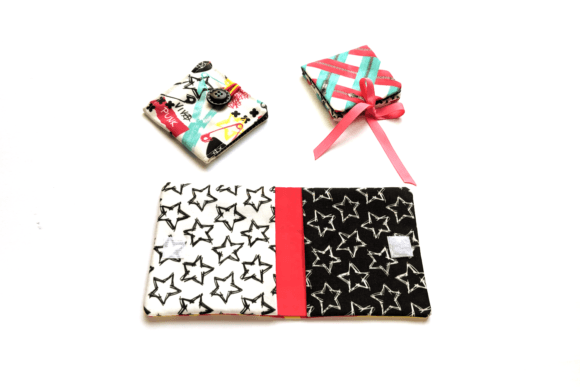
Folding Pocket Case ITH Applique
Stepping into the bustling environment of a weekend craft fair requires more than just a table and a sign; it demands products that stop traffic. As an experienced embroidery designer who has spent years refining designs for handmade markets, I know that the difference between a lingering glance and a wallet opening often comes down to utility mixed with charm. Recently, I evaluated a new Folding Pocket Case ITH Applique design with the specific intent of adding it to my booth lineup. My goal was to determine if this piece could stand out among the sea of embroidered tote bags, aprons, tea towels, patches, caps, small pouches, pillow covers, and giftable handmade items.
The first impression of the Folding Pocket Case ITH Applique is one of practical elegance. Unlike many machine embroidery designs that rely solely on decorative flair, this design screams functionality. It feels modern yet approachable, fitting perfectly into the "farmhouse chic" or "minimalist boutique" aesthetic that dominates current trends. The concept of a folding case in the hoop immediately suggests a product that solves a problem while looking stylish. For an Etsy seller or a creative entrepreneur, this translates to high perceived value. It is not just a decoration; it is a solution for holding small, relatively flat items, which makes it an instant conversation starter for customers browsing a display.
Where This Design Shines in a Booth Display
In a crowded market setting, visual hierarchy is everything. When I imagine placing the Folding Pocket Case ITH Applique on a table alongside other craft fair product ideas, it naturally draws the eye because of its unique form factor. While a standard tote bag design might blend in with dozens of others, a finished pocket case offers a tactile experience that customers cannot resist touching. The applique technique adds dimension, creating shadows and depth that catch the light better than flat stitching alone.
This design performs exceptionally well as a standalone item or as a complementary add-on. For instance, pairing it with a matching tote bag design creates a cohesive set that encourages higher average order values. However, its true potential lies in its versatility. It works beautifully as a kitchen towel embroidery accent when folded, or as a dedicated accessory for holding cards, lip balm, or small tech accessories. In terms of embroidery business strategy, this item serves as a perfect entry-level product. It uses less fabric than a large garment but commands a similar price point due to the intricate nature of the applique work.
Production Practicality and Batch Efficiency
From a production standpoint, efficiency is key for any commercial embroidery operation. The Folding Pocket Case ITH Applique appears to be designed with batch production in mind. The structure of the case implies that once the base is stabilized and hooped correctly, the process becomes repetitive and streamlined. This is crucial for meeting the demand of a busy craft fair day where you need to fulfill rush orders or create custom pieces on the spot.
When photographing these items for online listings or social media, the Folding Pocket Case ITH Applique offers excellent opportunities. The pockets allow you to style the product by stuffing them with colorful fabrics or props, demonstrating its capacity without needing a model. The applique texture photographs particularly well under natural light, highlighting the quality of the stitch density and the precision of the cut edges. For digital sellers creating printable mockups, the distinct shape of the case provides a clear focal point that looks professional in both lifestyle shots and flat lays.
Critical Considerations for Embroidery Quality
While the concept is promising, every embroidery file carries specific challenges that must be addressed before hitting the production line. As a designer reviewing this for commercial use, I would advise careful attention to the following areas. First, consider the thread colors. Applique designs rely heavily on contrast between the background fabric and the top layer. If the contrast is too low, the design loses definition, especially at smaller scales. Testing on scrap fabric is non-negotiable to ensure the colors pop against the final material.
Another vital factor is the hoop size and stabilizer choice. Because this is a case meant to hold items, the structural integrity of the stitches is paramount. Using the wrong stabilizer can lead to puckering, which ruins the fold lines and makes the case difficult to close properly. You must confirm the recommended stabilizer for the specific fabric weight you are using. Additionally, check the stitch density in the dense areas. High density is great for durability, but on thin fabrics, it can cause the material to become stiff and brittle, detracting from the soft, handcrafted feel that buyers expect.
Be wary of tiny details or small lettering within the design. On a curved cap surface or a textured towel, fine threads can get lost or blur together. If the design includes text, ensure it remains legible even when the case is partially closed. Thick fabrics or highly textured materials like terry cloth can also pose challenges, potentially hiding the applique edge or causing the needle to skip stitches. Always inspect the finished product closely to ensure the edges are clean and the layers lie flat.
Maximizing Visual Appeal and Brand Consistency
The ultimate goal of any handmade product is to build a brand that customers trust. The Folding Pocket Case ITH Applique contributes significantly to brand consistency. Its clean lines and functional design align well with brands that prioritize sustainability and practicality. By offering this item, you signal to your audience that you understand their needs beyond simple aesthetics. It enhances buyer engagement because customers can visualize themselves using the product in their daily lives.
For boutique makers and small shop owners, this design allows for customization that larger garments do not easily permit. You can offer different color combinations for the pockets versus the main body, creating a unique look for each customer. This level of personalization is a powerful tool for increasing sales velocity. Furthermore, the design's compact nature makes it ideal for gifting, a huge category in the handmade market. A beautifully embroidered case filled with a gift card or a small treat makes for a memorable, shareable moment that drives word-of-mouth marketing.
Final Designer Notes for Production Success
Before listing this as a finished product or selling the digital embroidery file, there are a few housekeeping steps that separate professionals from amateurs. First, create at least one real mockup. Do not rely solely on computer-generated images; seeing the physical result reveals issues with tension, thread breaks, or fabric distortion that software cannot predict.
Secondly, review the spacing and confirm the hoop size requirements listed in the file documentation. If the design calls for a specific hoop that does not match your machine, you may need to re-digitize or adjust the placement, which can affect the final outcome. Finally, always confirm the commercial licensing terms before selling finished goods made from the design. Ensuring you have the right permissions protects your business and respects the original creator's intellectual property.
In conclusion, the Folding Pocket Case ITH Applique represents a smart addition to any embroidery designer's portfolio. It balances the desire for cute, decorative items with the practical needs of modern consumers. Whether used as a market bag alternative, a specialized accessory, or a unique gift, this design has the potential to be a bestseller. By paying attention to fabric selection, stabilization, and finishing touches, you can turn this digital asset into a tangible product that elevates your brand and delights your customers at the next craft fair or online sale.