Easter Monogram Embroidery Review
As an embroidery designer who spends countless hours planning seasonal collections, I am always on the lookout for designs that balance aesthetic appeal with commercial viability. When reviewing a new machine embroidery design, my primary focus is not just on how it looks in the software, but how it will perform in the hands of real customers and sellers. This review focuses on the Easter Monogram, a design intended to bring a touch of personalized charm to your holiday product lineup. Below, I break down why this embroidery file deserves a spot in your seasonal collection, how it performs across various mediums, and what practical considerations you must keep in mind before launching your products.
First Impressions: Mood and Aesthetic Appeal
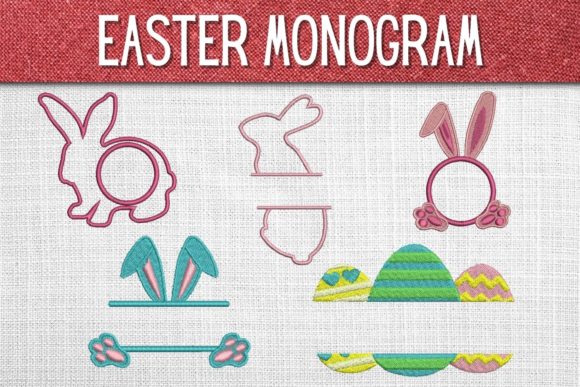
The first thing that strikes me about the Easter Monogram is its versatility in emotional tone. Easter is a holiday that sits at the intersection of spring renewal, family gathering, and spiritual reflection. A successful design needs to capture this mood without being overly specific or restrictive. This design achieves a delicate balance. It feels festive yet elegant, playful yet refined. Whether you are aiming for a rustic farmhouse vibe or a modern minimalist aesthetic, the monogram format allows for significant customization through thread choice and placement.
From a visual recognition standpoint, the clean lines of a monogram ensure that the design remains legible even when scaled down. This is crucial for small shop product creators who need items that look good in thumbnail images on social media. The decorative style suggests a premium feel, which can help justify higher price points for finished goods. It evokes a sense of nostalgia and warmth, making it an ideal candidate for personalized gift markets where buyers are looking for something unique and heartfelt rather than mass-produced.
Real-World Applications for Holiday Sellers
One of the strongest selling points of the Easter Monogram is its adaptability across a wide range of product categories. For Etsy sellers and handmade gift makers, diversifying your inventory is key to maximizing revenue during peak shopping seasons. Here is how this design translates to physical products:
- Sweatshirt Embroidery: Spring weather can be unpredictable, making sweatshirts a popular item for early spring events. Placing the monogram on the chest or back of a pastel-colored sweatshirt creates a cozy, wearable piece that appeals to young adults and teens.
- Tote Bag Design: A canvas tote embroidered with the Easter Monogram serves as both a functional item and a promotional tool. Shoppers often carry these bags around markets or stores, effectively advertising your brand. Use sturdy cotton twill for best results.
- Kitchen Towel Embroidery: Home decor is a massive segment of the holiday market. Embroidering the monogram on flour sack towels adds a touch of elegance to kitchens. These make excellent housewarming gifts or additions to holiday hosting baskets.
- Pillow Cover: For home accents, this design works beautifully on throw pillows. Pairing it with spring-themed fabrics like floral prints or solid pastels enhances the seasonal appeal.
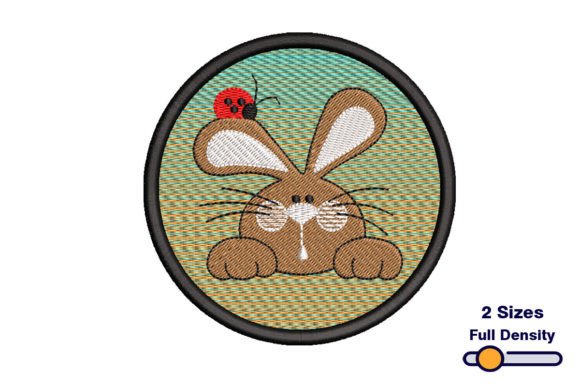
- Embroidered Patch: Creating iron-on or sew-on patches allows customers to customize their own jackets, hats, or backpacks. This trend has surged in popularity, offering a low-cost entry point for buyers.
- Baby Items: Personalized baby blankets or bonnets featuring a child’s initial in this design are timeless gifts for baby showers held during the spring season.
When marketing these items, consider creating printable mockup graphics that showcase the design on multiple backgrounds. Visualizing the finished product helps potential buyers imagine owning the item, which significantly boosts conversion rates during limited-time product drops.
Gift Bundles and Commercial Potential
The Easter Monogram is particularly effective for building gift bundles. Imagine offering a set that includes a matching kitchen towel and apron, or a tote bag paired with a small potted plant. Bundling increases the average order value and provides more perceived value to the customer. For commercial embroidery businesses, this design can be licensed for larger runs of corporate gifts or church event merchandise, provided you verify the licensing terms included with the digital file.
Technical Considerations and Fabric Constraints
While the design is versatile, an experienced designer knows that success lies in execution. There are specific areas where you must exercise caution to ensure customer satisfaction and reduce returns.
Stitch Density and Hoop Size: Before adding this to your production queue, you must check the stitch density. If the design is too dense, it may become stiff and uncomfortable, especially on garments like sweatshirt embroidery projects. Conversely, if it is too sparse, details may get lost. Always confirm the recommended hoop size to ensure the design fits your available machine capabilities. Testing on scrap fabric is non-negotiable.
Fabric Texture and Thread Colors: The interaction between thread and fabric is critical. On dark fabrics, light threads may require an underlay or a different thread weight to appear vibrant. Conversely, dark threads on light fabric might look harsh if not balanced correctly. I recommend testing various thread colors on both light and dark fabric swatches to find the perfect palette. Avoid using metallic threads unless the design specifically supports them, as they can cause tension issues and needle breaks.
Stretchy Garments and Curved Caps: Be wary of applying this design to highly stretchy materials or curved surfaces like baseball caps without proper stabilization. Stretch fabrics can distort the monogram letters, ruining the symmetry. If you plan to use this on curved caps, ensure you have the right hooping accessories and perhaps digitize a smaller version specifically for that application.
Washability: Since many of these items, such as kitchen towel embroidery or baby clothes, will undergo frequent washing, you must use a proper stabilizer. Tear-away stabilizers are great for woven fabrics, while cut-away stabilizers are better for knits and items that need long-term durability. Failing to use the correct stabilizer can lead to puckering or design degradation after the first wash cycle.
Strategic Advice for Seasonal Success
To maximize the impact of the Easter Monogram, focus on brand consistency and emotional connection. Your listings should highlight the personalization aspect. Words like "custom," "family matching," and "heirloom quality" resonate deeply with shoppers looking for meaningful handmade gift options.
Create realistic mockups that show the design in context. A photo of the monogram on a linen napkin set next to fresh spring flowers tells a story that a plain white background cannot. This storytelling approach builds customer trust and engagement. Additionally, plan your color palettes ahead of time. Pastels like mint green, soft pink, and lavender are traditional, but don’t be afraid to experiment with earth tones for a more rustic, modern look.
Finally, remember to review the small details after stitching. Zoom in on your test samples to ensure that any tiny lettering or intricate details have stitched out cleanly. If a detail is missing or blurred, adjust your settings or simplify the design before mass production. By paying attention to these technical nuances, you protect your reputation as a quality provider in the competitive world of digital embroidery file sales and finished goods.
In conclusion, the Easter Monogram is a strong addition to any seasonal collection. Its flexibility, emotional resonance, and broad applicability make it a smart choice for holiday embroidery projects. With careful attention to fabric selection, stabilization, and presentation, you can create high-value products that delight customers and drive sales throughout the Easter season.