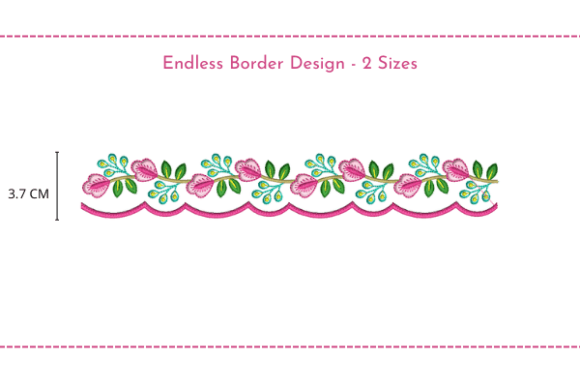
Cutwork Flower Border Review
I spend a lot of time scrolling through digital embroidery libraries, looking for that one machine embroidery design that will make my booth at the weekend craft fair stand out. As an experienced designer who turns digital files into tangible goods, I know that not every pattern translates well to physical products. Some designs look great on a screen but fail under the hoop. Today, I am reviewing the Cutwork Flower Border, a design marketed for women’s fashion and home decor. My goal is to determine if this is a viable addition to my inventory of craft fair products and what specific items it suits best.
First Impressions: The Aesthetic Appeal
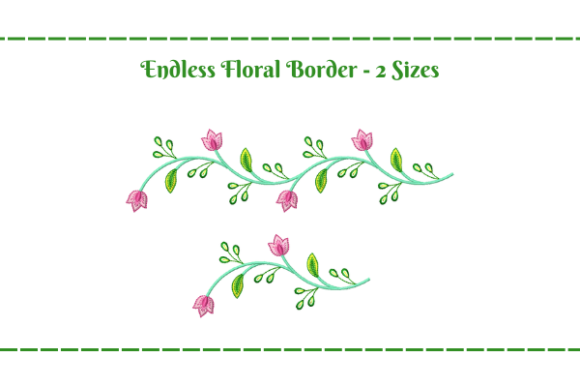
The title "Cutwork Flower Border" immediately suggests a specific vibe. In the world of embroidery, cutwork usually implies an airy, open, and delicate aesthetic. It feels less like a solid block of thread and more like lace. For a handmade product intended for sale, this is a strong selling point. It reads as elegant, soft, and premium rather than busy or rustic. When customers walk past a table laden with textiles, they are often drawn to texture and lightness. This border design promises that visual lift.
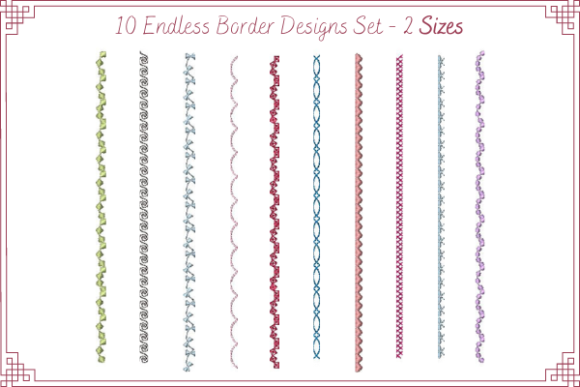
Because it is described as a border, it inherently frames other elements. This makes it incredibly versatile. It doesn’t just sit in the center of a canvas; it guides the eye along edges. For Etsy sellers and boutique makers, this means you can use it to define the hem of a dress, the edge of a cushion, or the top line of a tea towel. It adds structure to your finished product without overwhelming the base fabric.
Product Application: Where Does It Shine?
To maximize sales, you need to match the right design to the right substrate. Here is how I see the Cutwork Flower Border performing across various categories:
- Tote Bag Design: A tote bag is a staple at any market. Placing this border along the bottom hem or framing the side panels creates a sophisticated look. It elevates a plain canvas bag into a fashion accessory. Because cutwork relies on negative space, it photographs beautifully for online listings, showing off the quality of the stitching against the fabric weave.
- Apron Embroidery: Kitchen wear is always a seller. Using this border along the bib or the waistband adds a touch of femininity to utilitarian items. It works particularly well on white or pastel aprons where the contrast between the thread and the background is clean.
- Tea Towel Embroidery: Linen and cotton towels are perfect for this style. The open nature of the cutwork allows the texture of the towel to show through, creating a layered effect. It feels fresh and modern, appealing to buyers looking for home decor items that feel handmade and thoughtful.
- Pillow Covers and Cushion: Home decor is a high-margin category. Framing a pillow sham with this floral border gives it a custom, high-end feel. It transforms a basic insert into a statement piece. Customers are willing to pay more for items that look like they belong in a curated interior magazine.
- Embroidered Patch: While borders are typically linear, you can adapt this design for smaller applications. A single motif from the border sequence can be used as a focal point on a cap or a small pouch. However, ensure the individual flowers are distinct enough to hold their shape when scaled down.
Production Practicality and Sales Strategy
From a production standpoint, efficiency is key. If you cannot stitch these items quickly and consistently, your profit margins shrink. The Cutwork Flower Border appears to have a moderate density, which is ideal for batch production. Unlike dense fill stitches that require long run times, openwork designs stitch faster, allowing you to produce more units per hour.
When setting up your booth display, consider how this design catches the light. Cutwork creates shadows and depth. On a flat lay, it looks good, but on a three-dimensional object like a draped curtain or a stuffed pillow, it gains character. Use natural lighting in your photos to highlight the transparency of the design. This helps digital sellers create compelling printable mockups that accurately represent the final result.
For small shop products, consistency is brand identity. If you use this border across multiple item types—say, matching a tea towel with a placemat—you create a cohesive collection. Buyers love sets. It encourages them to purchase more than one item, increasing your average order value.
Technical Considerations and Careful Use
As a professional, I must warn you about potential pitfalls. Not all fabrics behave the same way. The success of a cutwork design depends heavily on the stability of the material.
- Fabric Texture: Avoid highly textured fabrics like heavy waffle-weave towels or thick chenille for this specific design. The needle may struggle to penetrate evenly, or the stabilizer may not adhere properly. Stick to smooth weaves like poplin, sateen, or fine linen.
- Thread Contrast: Since the design relies on open spaces, the thread color is crucial. Dark threads on dark fabric will disappear, ruining the "cutwork" illusion. High-contrast combinations (e.g., white thread on navy, or black on cream) will make the design pop. Test your thread colors before committing to a large run.
- Hoop Size and Stability: Ensure your hoop size accommodates the full length of the border if you are embroidering it in one go. If the design is longer than your machine’s standard hoop, you will need to re-hoop carefully. Mismatched seams can ruin the symmetry. Always use a high-quality stabilizer to prevent puckering, especially on lightweight garments.
- Dense Stitch Areas: Check the file for any dense sections within the flower centers. If the density is too high, the fabric may pucker or the needles may break. Inspect the stitch density closely. If the design has tiny details, remember that these may get lost if you try to digitize or scale it down too small.
Pre-Production Checklist
Before you list this as a commercial embroidery item, follow these steps:
- Test on Scrap: Never sell a design you haven’t stitched yourself. Run a test on the exact fabric you plan to sell. This reveals issues with tension, threading, or fabric distortion that only appear during actual production.
- Create a Real Mockup: Don’t rely solely on digital previews. Create at least one real mockup of your top-selling item, such as a tote bag or apron. Photograph it in natural light. This image will be your primary asset for your Etsy listing.
- Check Licensing: Confirm the commercial licensing terms. Just because you bought the digital embroidery file does not automatically grant you the right to sell unlimited finished goods. Verify if there are caps on the number of items you can produce.
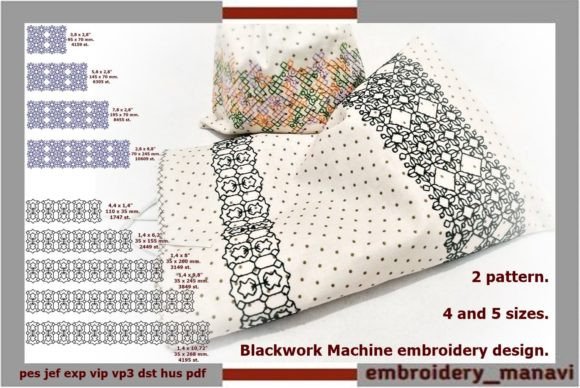
- Review File Formats: Ensure the embroidery file comes in formats compatible with your machine. Most machines accept .pes, .dst, or .exp. Having multiple formats increases your flexibility if you ever outsource production.
Final Verdict
The Cutwork Flower Border is a strong candidate for any handmade product line focused on elegance and detail. It offers a premium look that commands higher prices, provided the execution is flawless. It works exceptionally well on home decor items like cushions and table linens, where the delicate nature of the design complements the softness of the fabric. For apparel, it adds a refined touch to tote bags and aprons.
Success with this design hinges on proper setup. Pay attention to your stabilizer choice, select contrasting threads, and ensure your fabric is stable. If you treat this design with the care it deserves, it will likely become a bestseller in your booth, drawing customers in with its airy, beautiful aesthetic. It is a timeless piece of design assets that fits seamlessly into the current demand for chic, handmade goods.