Boho Gnome Review: Practical Design Insights
As a designer who spends half my life judging stitch quality and the other half worrying about whether a finished product will actually sell, I approach every new embroidery file with a healthy dose of skepticism. We have all seen designs that look charming on screen but turn into a tangled mess of thread on the hoop. That is why I take the time to evaluate these assets before they ever touch my client’s merchandise or end up in a customer’s hands. Today, I am breaking down Boho Gnome, a design that promises to be fun, elegant, and easy to stitch. But does it hold up under the scrutiny of real-world production?
I pulled this file to test for a specific scenario: a line of handmade holiday gifts for a boutique Etsy shop. The goal was to create personalized items that felt cozy and trendy without requiring hours of tedious editing or complex setup. Here is my honest assessment of how Boho Gnome performs as a commercial and personal embroidery project.
First Impressions and Visual Personality
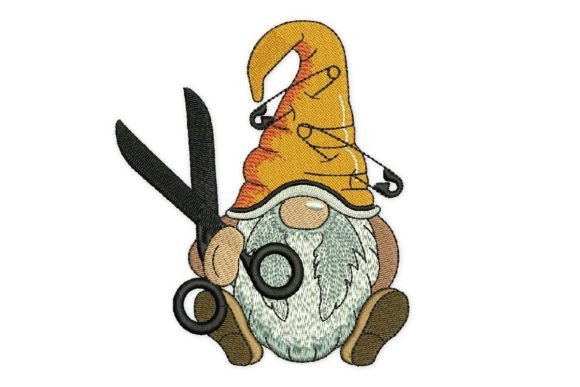
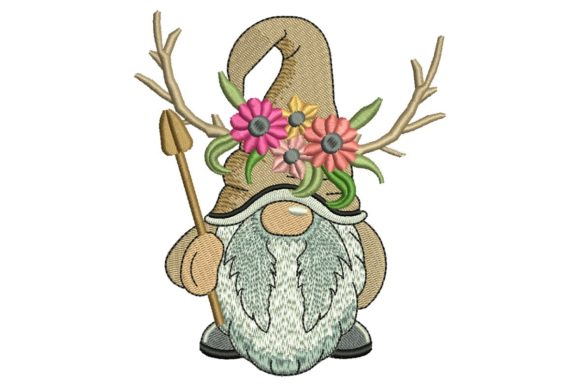
The moment you open the file preview, the mood is immediately clear. This is not a stiff, formal design; it has a relaxed, bohemian energy that fits perfectly with current trends in handmade goods. The shape feels balanced, avoiding the cluttered look that often plagues character-based designs. For an embroidery designer, this balance is crucial because it dictates how much attention the eye will pay to the details versus the overall silhouette.
The visual personality of Boho Gnome suggests versatility. It works well for personalized gift items like baby onesies or nursery decor, where the softness of the theme appeals to parents. However, it also holds its own as a statement piece on custom apparel. When I imagine this stitched onto a heavyweight cotton canvas, it looks grounded. On a soft fleece sweatshirt, it looks inviting. The design relies on clean lines and distinct shapes, which usually bodes well for stitching clarity, provided the machine settings are correct.
Real-World Application and Product Fit
In my experience, the true test of a design is how it translates from digital asset to physical object. I evaluated Boho Gnome across several potential use cases to see where it shines and where it might struggle.
- Tote Bags and Aprons: This design excels on sturdy fabrics. The contrast between the thread and the fabric texture becomes part of the aesthetic. For a tote bag design, the gnome’s features remain legible even from a distance, making it excellent for branding or casual gifting.
- Sweatshirt Embroidery: Soft furnishings and apparel require a design that doesn’t feel too rigid. Boho Gnome has a slight whimsy that prevents it from looking corporate. It adds value to a plain pullover, transforming it into a unique handmade product.
- Baby Embroidery: The gentle nature of the motif makes it suitable for delicate items. However, on thin baby fabrics, the density of the stitches must be monitored to ensure comfort against the skin.
- Holiday Embroidery: Given the seasonal nature of many gnome-themed crafts, this file is a strong candidate for Christmas or autumn-themed collections. It pairs naturally with traditional color palettes, though modern twists work just as well.
For the Etsy seller or small business owner, this design offers a high perceived value. Customers associate intricate-looking but well-executed designs with quality craftsmanship. If the stitching is clean, the buyer assumes care was taken, which builds trust and encourages repeat purchases.
Where Caution Is Required
No design is universally perfect, and Boho Gnome has specific constraints that designers must respect. It is not a one-size-fits-all solution.
- Small Hoop Sizes: While the design is manageable, cramming it into a tiny hoop can distort the proportions. Ensure your hoop size allows the design to breathe. If the edges are cut off, the character loses its charm.
- Textured and Stretchy Fabrics: Avoid using this on highly textured materials like chunky knits or loose weaves unless you are experienced with stabilizers. The stitch density may cause puckering or distortion on stretchy jersey fabrics if not backed properly.
- Dense Stitch Areas: Pay close attention to the facial features and hat details. If the thread colors lack sufficient contrast, small details like eyes or buttons can disappear into the background. Always check your applique design elements or satin stitch boundaries to ensure they are defined.
- Curved Surfaces: Attempting to stitch this on a cap or a curved pillow corner requires advanced technique. The flat layout of the file may not translate well to 3D surfaces without significant digitizing adjustments.
Technical Execution and Professional Notes
To get the best result from this machine embroidery design, technical preparation is key. I recommend starting by testing the file on scrap fabric that matches your final product in weight and composition. This simple step can save you from ruining expensive materials.
When setting up your machine, review the stitch density carefully. If the design feels too heavy for your chosen fabric, consider reducing the density slightly or switching to a lighter stabilizer. Conversely, if the fabric is loose, a cut-away stabilizer might be necessary to prevent shifting during the running stitch phases.
Color selection plays a massive role in the final appeal. I advise creating printable mockups in black and white to check the contrast levels before committing to thread spools. This helps identify if the fill stitch areas will blend together too much. Additionally, inspect the small details in the original file. Are the corners sharp? Is the satin stitch smooth? If the source file is low resolution, those imperfections will become obvious in the finished product.
Commercial Viability and Licensing
For those of us selling commercial embroidery products, licensing is non-negotiable. Before adding Boho Gnome to your inventory of design assets or using it to create finished product listings, confirm the license terms. Does it allow for unlimited retail sales? Are there restrictions on the number of units? Clarifying this protects your crafter business from legal issues and ensures your pricing strategy remains sustainable.
Furthermore, consider how this design fits into your brand consistency. If your shop focuses on minimalist aesthetics, a detailed gnome might feel out of place. But if your brand celebrates whimsy and tradition, this embroidery file is a strong addition to your catalog. It appeals to a broad demographic, from hobbyists looking for weekend projects to serious makers seeking reliable digital embroidery files.
Final Verdict
Boho Gnome is a solid, versatile choice for designers who want to add a touch of warmth and personality to their work. It is easy to stitch, visually appealing, and adaptable to a wide range of products, from aprons to pillow covers. By paying attention to fabric choice, stabilizer usage, and color contrast, you can elevate this design into a professional-grade item that customers will love.
Whether you are a seasoned pro or a hobbyist exploring craft business opportunities, this design offers good value. Just remember to test thoroughly, respect the technical limits, and always prioritize the quality of the finish. In the world of handmade goods, that attention to detail is what turns a simple stitch into a cherished keepsake.